

If you’ve ever loaded a 35mm film roll into a point-and-shoot or automatic SLR, chances are your camera instantly “knew” the film’s ISO. No manual dial, no menu setting—just click and shoot. That’s thanks to a small but powerful detail on your film canister: the DX code.
But what is a DX code, exactly? And did you know you can actually hack it?
Let’s break it down.
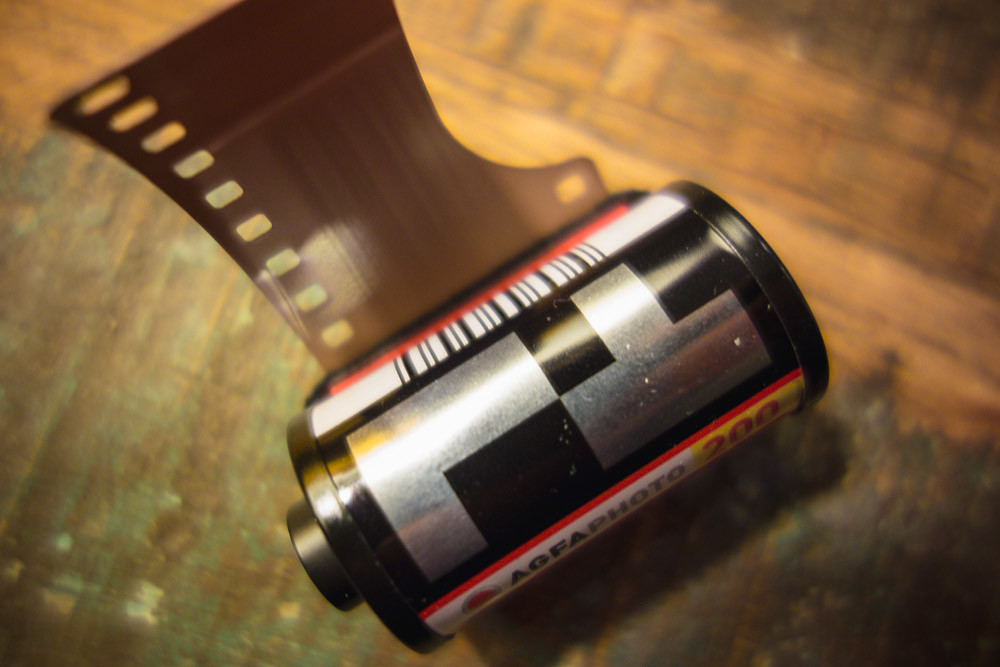
What Is the DX Code?
The DX (Digital indeX) code is a pattern of silver and black squares printed on the side of your 35mm film canister. Introduced in the 1980s, this code tells your camera three main things:
- Film Speed (ISO)
- Number of Exposures (24 or 36)
- Exposure Latitude (tolerance for over/underexposure)
Most automatic film cameras—especially compact point-and-shoots—read this code using small contacts inside the film chamber. The camera then automatically sets the ISO and frame count based on the DX code.
No need to set anything yourself. Easy, right?
But Why Would You Hack It?
Because you don’t always want the camera to choose.
Maybe you’re shooting Cinestill 800T, but you want to rate it at ISO 500 for better shadow detail. Maybe you’re pushing or pulling film and need to override the automatic setting.
If your camera doesn’t allow you to change ISO manually, the DX code is your only way to take control.
That’s where DX code hacking comes in.

How to Hack the DX Code (Without Breaking Your Film)
All you need is:
- Black electrical tape
- A pair of scissors or a hole punch
- Your film roll
The DX code is a grid made up of two rows and six columns (12 possible contact points). The top row determines ISO speed. Each black (non-conductive) or silver (conductive) square represents a binary signal. By covering or exposing certain contacts, you can trick your camera into thinking it’s a different ISO.
- Want to shoot your 400 ISO film at 100 ISO? Cover the right squares.
- Want to push your 200 ISO to 800? Open up specific contacts.
Pro Tip from Berlin Photo Studio
We love teaching this hack in our film workshops, and we encourage our clients to explore it—especially when shooting cinematic rolls like Kodak Vision3 or experimental films like Foma Retropan.
Just remember: Hacking the DX code doesn’t change the actual sensitivity of your film, it just tells your camera how to meter. So make sure you also develop your film accordingly (push or pull) to match the ISO you shot at.
Still Unsure? Come Talk to Us!
If you’re curious about film hacking but feel unsure, swing by the shop. We’ll be happy to show you how DX codes work on real rolls—or better yet, join our next analog photography workshop.
We’ve even got blank DX stickers available if you want to go pro with your ISO tweaks. And of course, all our Alien Film, Cinestill, and experimental rolls come with clear DX codes—or custom ones, when needed.
Final Thoughts
In the digital world, things are automatic. But in film photography, you’re in control—even if your camera thinks it’s smarter than you. Learning how to use (and manipulate) the DX code is one more step toward mastering analog photography.
So go ahead: cut, cover, hack—and shoot with intention.
Related Services at Berlin Photo Studio:
- Film Development (C41, B&W, ECN-2, E6)
- High-Quality Scanning
- Analog Workshops & 1:1 Lessons
- Point & Shoot Camera Testing
- Experimental Film Rolls for Sale


